





The Adulteration Watchdog: How Microscopy Keeps Your Plate Safe from the Invisible
You sit down to a simple dinner, trusting the vibrant red of your chili and the earthy yellow of your turmeric. But in the high-stakes game of food fraud, your eyes can be easily deceived. What if the very spices you rely on are hiding secrets that only a lens can reveal?
Food adulteration is no longer just about adding water to milk; it has evolved into a sophisticated game where harmful chemicals, synthetic fillers, and industrial dyes are camouflaged within our food supply. In this environment, microscopy has emerged as the silent guardian of food safety. While chemical analysis has long been the standard, it often fails to identify the physical nature of foreign particles. Microscopy acts as a watchdog, providing a visual confirmation that ensures what is on your plate is exactly what the label claims it to be. By zooming into the microscopic world, we can identify the invisible threats that compromise the health of millions.
The Hidden Threat — What Is Food Adulteration?
Food adulteration is the intentional debasing of the quality of food by either adding inferior substances or removing a vital ingredient. It is a profit-driven malpractice that turns essential nutrition into a potential health hazard. In a country with a complex supply chain like India, ensuring the integrity of food is a monumental challenge.
Common Adulterants in Indian Kitchens
The Indian kitchen is a vibrant hub of spices and grains, but it is also a primary target for fraud. Common examples include:
- Turmeric: Often laced with Metanil Yellow (a prohibited industrial dye) or lead chromate.
- Chili Powder: Mixed with brick powder, salt, or talc.
- Black Pepper: Frequently substituted with dried papaya seeds.
- Oils: Expensive oils like mustard or olive are often cut with cheaper argemone oil or palm oil.
- Honey: Diluted with high-fructose corn syrup or rice syrup.
Why It’s Invisible to the Eye and Taste
The danger of modern food adulteration detection lies in how natural the adulterated food looks. Advanced processing techniques allow fraudsters to match the texture, color, and even the smell of the original product. Because our senses are easily deceived, we require technology that can look past the facade and into the cellular or crystalline structure of the substance.
How Microscopy Detects What Chemical Tests Miss
Chemical tests are excellent for identifying the presence of certain molecules, but they are often blind to physical morphology. Microscopy, however, identifies the ‘shape’ of the fraud through advanced visual analysis.
The Food and Drug Administration (FDA) utilizes microscopy as a primary diagnostic tool to identify food adulteration, specifically to detect physical, biological, and chemical contaminants invisible to the naked eye. Microscopic examination is central to the FDA’s Microanalytical and Filth Analysis program, which enforces sections of the Federal Food, Drug, and Cosmetic (FD&C) Act.
Starch and Botanical Analysis
Analysts use microscopy to confirm that ingredients match label claims and to detect economically motivated adulteration. This includes distinguishing between expensive starches (e.g., tapioca) and cheaper substitutes (e.g., maize) by observing granule size and shape. It also involves botanical identification—identifying plant tissues in ground spices or coffee to detect unauthorized fillers like sawdust or different plant species.
Identifying Physical Hazards and Filth
Microscopy is the mandatory method for identifying “filth,” defined as insect fragments, rodent hairs, and other foreign materials. Specifically, Polarized Light Microscopy (PLM) helps characterize sharp or hard foreign objects like glass or metal shards, distinguishing glass from similar-looking minerals by determining refractive indices and optical properties. For higher or more specific identification of hazardous material, labs may use Scanning Electron Microscopy (SEM)/ Transmission Electron Microscopy (TEM) coupled with energy diffraction microscopy (hybrid microscopy), which can even be used on the production line.
Global Regulatory Standards (FDA & FSSAI)
Microbial monitoring guidelines in the FDA’s Bacteriological Analytical Manual (BAM) detail microscopic methods for identifying pathogens and spoilage organisms. This includes the Direct Microscopic Method for counting microorganisms in products like frozen eggs or dairy to assess hygienic quality. Furthermore, the Howard Mold Count is a specific microscopic method used to quantify mold hyphae in comminuted fruits and vegetables, indicating the use of rotten raw materials. Locally, the FSSAI Mandate in India highlights microscopic examination as a primary tool for detecting extraneous matter in spices, condiments, and salt.
Why Every Food Testing Lab Should Have a Digital Microscope
The transition from traditional chemistry to digital microscopy is a necessity for modern food safety. The FDA ORA Lab Manual specifies that successful microscopic analysis relies on specialized sample preparation—such as filtration or chemical digestion—to isolate contaminants from complex food matrices, as well as expert analyst knowledge of plant anatomy.
Precision Tools for Every Stage
Modern labs now utilize specific tiers of microscopy for comprehensive safety:
- Stereozoom Digital Microscopy (e.g., CILIKA Zoom Digital and Zoom Premium): Used at 6-30X magnification for initial screening of gross filth on extraction papers.
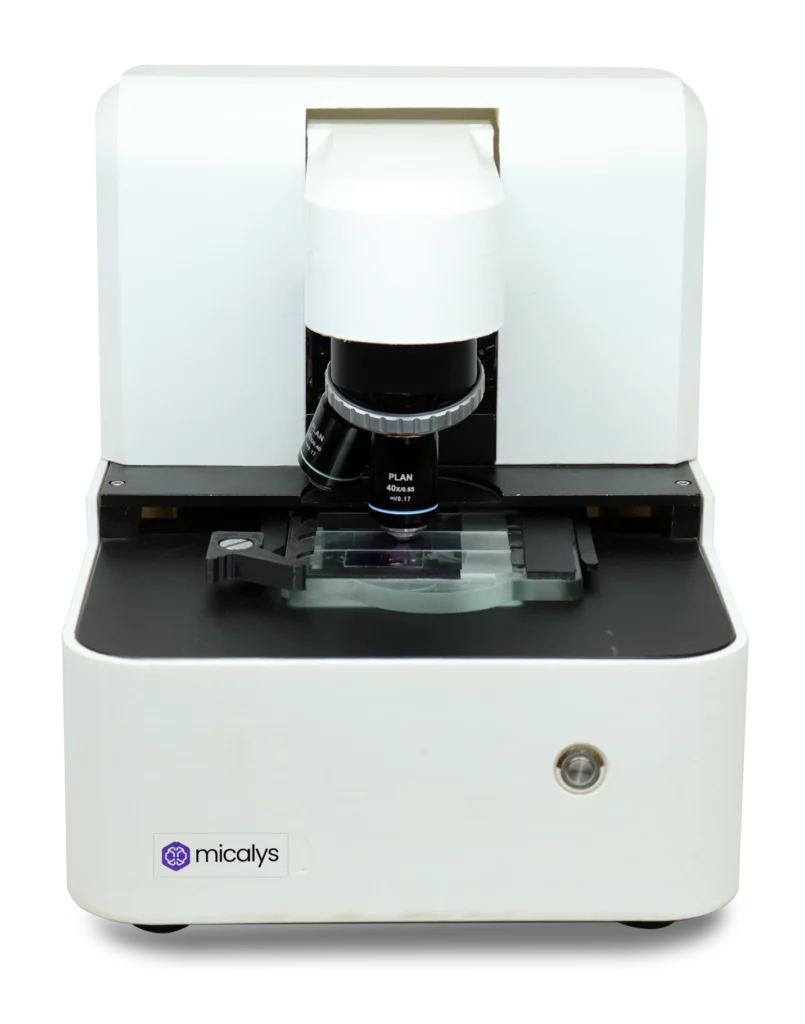
- Compound Microscopes (e.g., Transform series TF25 to TF400, including portable and inverted models): Used at 100-400X magnification to identify fine morphological details, such as insect mouthparts or rodent hair structure.
- Polarized Light Microscopy (e.g., CILIKA model BT-Pol, BT-Metallurgical, and TF400-POL): Essential for distinguishing minerals from glass shards by determining optical properties.
Building Consumer Trust Through Transparency
One of the most significant advantages of digital microscopy is the ability to create comprehensive digital libraries, saving images of every batch tested, thus creating a digital audit trail for future references, forensic audits, and longitudinal quality tracking. This ensures that historical data is always available to identify recurring contamination patterns. Moreover, advanced contrast techniques, such as phase-contrast for transparent insects or comparison microscopy for side-by-side forensic evaluation, ensure that nothing is missed during the testing process.
Speed, Accuracy, and Cost
Digital microscopes provide results in minutes. A technician can snap a high-resolution image and use AI-assisted software to count particles. For SMEs in the food sector, digital microscopes offer a lower barrier to entry, requiring less specialized training than complex chromatography and having lower recurring costs.
Conclusion
As the methods used by food adulterators become more sophisticated, our tools for food adulteration detection must evolve. Microscopy stands as an indispensable tool, offering a level of physical insight that chemical tests simply cannot provide. By making the invisible visible, we can protect the integrity of the food supply chain and ensure that public health remains uncompromised.
Whether you are a regulator, a food business owner, or a concerned consumer, the message is clear: the lens is our best defense against food fraud. Increasing awareness of these testing methods and investing in advanced diagnostic technology is the only way to keep our plates truly safe.
Ready to bring high-precision clarity to your food safety protocols?
Explore Medprime’s microscopy solutions—from the CILIKA digital series to the Transform compound range—and discover how our digital imaging technology can transform your lab’s detection capabilities. Contact us today for a demo.