





From Days to Minutes: How Sankara Eye Hospital is Redefining Ophthalmic Diagnostics
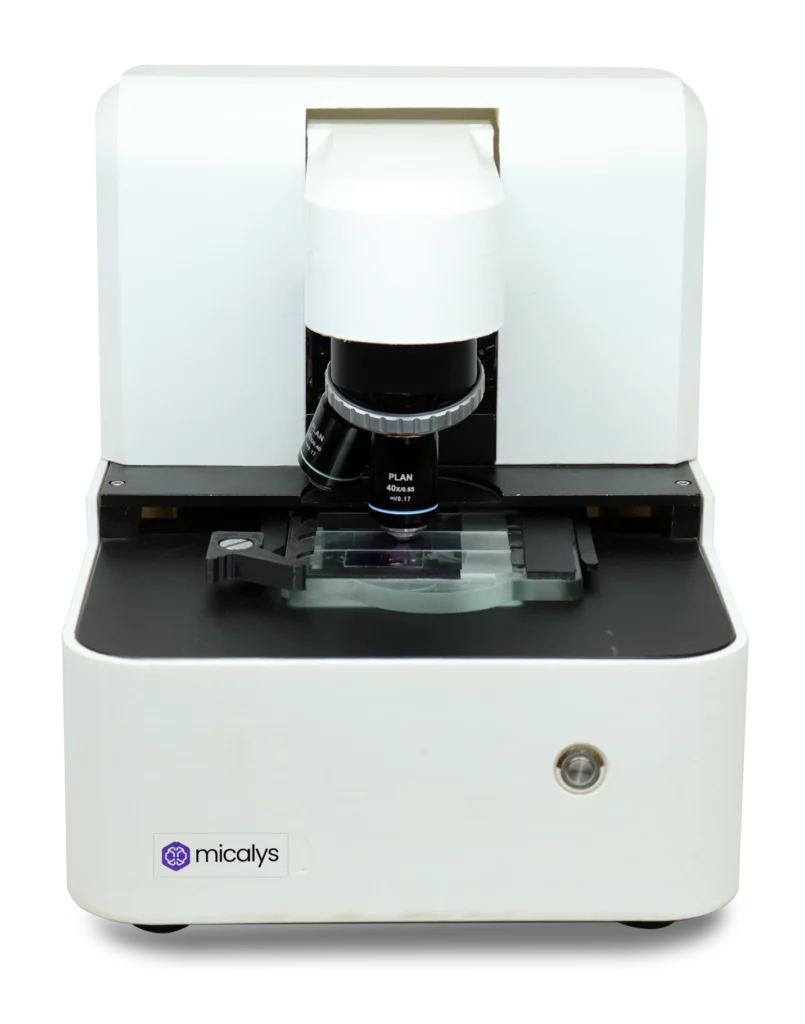
For high-volume institutions like Sankara Eye Hospital, the speed of a diagnosis can fundamentally change a patient’s vision. In the high-stakes field of ophthalmology, where clinical volume meets the need for world-class surgical precision, every second of a diagnostic workflow counts. Dr. Rishikesh, an Ophthalmic Pathologist and Head of Laboratory Services and Dr. Saishruti Iyer, Head of Microbiology and Infection Control, based in the hospital’s Bangalore center, have overseen a significant evolution in laboratory operations by transitioning from century-old optical traditions toward digital microbiology and pathology. By integrating the Cilika digital system—a flagship innovation from Medprime Technologies—into their clinical workflows, the hospital has successfully moved away from a model of delayed outsourcing to one of immediate, life-saving clinical action.
The Urgent Need for Precision: Patient Profiles and Specialized Care
The diagnostic process at Sankara Eye Hospital is highly specialized, primarily serving populations from rural areas who often work as farmers or in field-related occupations. These individuals are frequently exposed to harsh outdoor environments that put them at an elevated risk for severe, eye- specific infections.
- Vulnerable Populations – Most patients are rural farmers whose daily labour leads to significant eye exposure to organic matter and environmental pathogens.
- Targeted Diseases: Patients commonly suffer from aggressive bacterial and fungal infections specific to the ocular region, such as corneal ulcers and conjunctivitis.
- Specialized Sample Collection: For critical cases like ulcers, the diagnosis begins with a specialized scraping procedure to collect samples directly from the affected eye. These are then subjected to Gram staining or other relevant microscopic tests to identify the culprit.
Because these infections are eye-specific and can progress with devastating speed, immediate and accurate treatment is not just a preference—it is a vital necessity to prevent permanent blindness. Before the digital shift, clinicians often had to start patients on “blanket” or broad-spectrum antibiotics while waiting days for lab results to return. With the prompt digital diagnosis provided by the Medprime system, they can now identify the specific pathogen almost immediately and administer the appropriate, targeted treatment required to save a patient’s sight.
Overcoming the Outsourcing Bottleneck
Prior to the adoption of a fully digital workflow, the diagnostic process at many centers relied heavily on outsourcing microscopic investigations to external facilities, which created substantial delays in patient care. This logistical hurdle often meant that the hospital’s internal speed was capped by external turnaround times.
- Previous Turnaround Time (TAT): Historically, receiving results from external laboratories would take anywhere from one to two days.
- The Digital Shift: The implementation of the Cilika system has triggered a dramatic shift in efficiency, reducing the turnaround time for reports from days to just 30 to 60 minutes.
- Direct Clinical Impact: This rapid feedback loop enables doctors to move away from empirical “blanket” antibiotic use in favor of targeted diagnoses. Treatments are now precisely tailored to each patient’s specific disease condition from the very first hour of
The Cilika Edge: A Technical Leap in Visualization
Beyond the sheer gain in speed, the transition to Cilika brought a fundamental change in how the laboratory interacts with microscopic data. Dr. Rishikesh highlights several key technological advantages that set this Medprime Technologies solution apart from traditional optical microscopes:
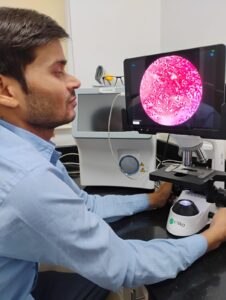
- Screen-Based Clarity: The shift from restrictive eyepieces to a high-definition digital screen provides significantly clearer This enhanced visualization eases the physical strain on the pathologist and streamlines the process of writing detailed, accurate diagnostic reports.
- Integrated App Ecosystem: The dedicated Cilika app allows for seamless image management. Looking forward, Rishikesh envisions this evolving into a robust internal network where users can share data peer-to-peer or via a centralized repository for sophisticated backend data processing.
- Publication-Ready Data: Unlike traditional setups that required immense manual skill to capture a clear photo through a smartphone and eyepiece, Cilika allows the team to focus directly on the screen to capture high-quality images. These “classical book pictures” are immediately suitable for medical publications and academic research.
Intuitive Workflow and Accelerated Training
The adoption of a digital, screen-based system has significantly simplified the technical demands placed on the laboratory team. By displaying samples directly on a large screen, the system provides a more intuitive viewing experience that facilitates a much faster learning curve for junior pathologists and technicians.
In traditional microscopy, the technician had to be highly competent just to align a smartphone with the lens to document a finding—a skill-intensive process that often led to inconsistent results. This modern approach by Medprime effectively eliminates those hurdles. Instead of struggling with ocular alignment, technicians can now focus entirely on the screen to capture and share results. This makes the entire documentation process far more efficient and ensures that high-quality diagnostic data is accessible to the entire clinical team instantly.
A Collaborative and Connected Future
The integration of Cilika has not only improved internal speed but has also enhanced Sankara Eye Hospital’s ability to function as a highly connected medical network.
- Seamless Second Opinions: The digital nature of the results makes it easier to share findings instantly with other If a complex case arises, images can be sent to other pathologists or microbiologists for an immediate second opinion, ensuring the highest standard of diagnostic accuracy.
- Centralized Reporting: Dr. Rishikesh and Dr. Saishruti currently manage pathology reporting for several hospitals from the Bangalore center, demonstrating the power of a centralized digital approach. This model allows the hospital to leverage expert knowledge across its 14 centers, regardless of where the patient is physically located.
- Research and Discovery: The team is currently utilizing this technology to study rare variants, such as Purpureocillium lilacinum fungal corneal ulcers. The ability to capture remarkable images of these rare pathogens helps the hospital contribute to global medical knowledge.